Posts

Showing posts with the label Vrat

Apara Ekadasi

Image
Apara Ekadasi occurs during the waning phase of moon in the month of Jyeshtha (May – June). Fasting on this Ekadashi is beneficial to those people who are suffering from remorse or guilt due to sin or sins committed. One can attain moksha by observing a fast on Apara Ekadasi. Krishna also mentions that one who observes this particular Ekadashi will become famous through meritorious deeds. Observing this Ekadasi removes the remorse associated with not performing a particular action, when the person had the opportunity to do it but shied away. Mythological Significance Sri Yudhishthira Maharaj said, "Oh Janardana, what is the name of the Ekadasi that occurs during the dark fortnight (krishna paksha) of the month of Jyeshtha (May-June)? I wish to hear from You the glories of this sacred day of Hari. Please narrate everything to me" Lord Sri Krishna said, "Oh king, your inquiry is wonderful because the answer will benefit the whole human society. This Ekadasi i...
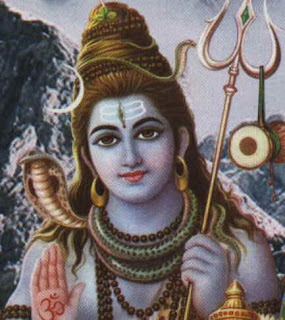
Solah Somwar Vrat

Image
Lord Shiva, is considered the most powerful of Gods according to Hindu legend. Lord Shiva is usually worshipped in the form of lingam. He is described as an omniscient yogi, who lives an ascetic life on Mount Kailash, as well as a householder with wife Goddess Parvati, and two sons,Lord Ganesha and Lord  Kartikeya. Shiva has many benevolent as well as fearsome forms. He is often depicted as immersed in deep meditation. In fierce aspects, he is often depicted slaying demons. Solah Somwar Vrat Significance Upvaas, or fasting, in Hinduism is mainly observed for the fulfillment of a vow. Upvas is also referred as 'Vrats.' But 'Vrat' has a wider meaning and it is not just curtailed to the fasting observed for material or other gains. Each day in a week is dedicated to one or more of the gods in the Hindu pantheon. A particular deity is appeased by the devotee on a particular day. Thus Monday is usually dedicated to Lord Shiva. Upvass, or fasting, on Mondays begi...